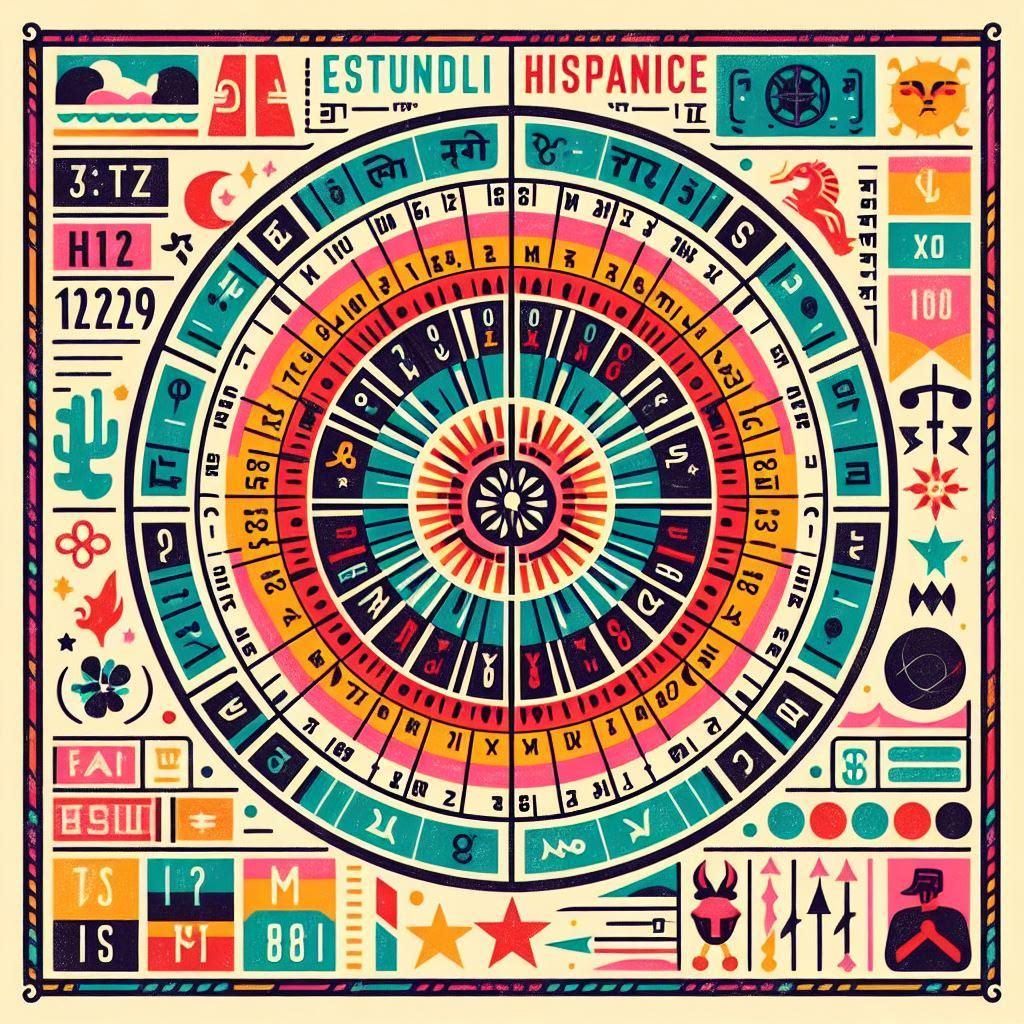
Vedic astrology, also known as Jyotish, is an ancient Indian system of divination that has been practiced for millennia. It differs significantly from Western astrology, offering a unique perspective on understanding ourselves and the world around us. Here’s a glimpse into the fundamentals of this fascinating practice:
Core Principles:
- Karma and Reincarnation: Vedic astrology is deeply rooted in the concept of karma and reincarnation. It believes that the positions of the planets at the time of birth reflect the karmic lessons we are destined to learn in this lifetime.
- The Lunar Calendar: Unlike Western astrology, which uses the solar calendar, Vedic astrology relies on the lunar calendar. This shift in perspective emphasizes the moon’s influence on our lives and emotions.
- The Zodiac: Vedic astrology utilizes a sidereal zodiac, which aligns with the actual constellations rather than the tropical zodiac used in Western astrology. This results in a slight shift in the placement of zodiac signs.
Key Components:
- Planets: Vedic astrology considers nine planets, including the Sun and the Moon, along with seven celestial bodies. Each planet is believed to influence specific aspects of our lives, personalities, and destinies.
- Nakshatras: The zodiac is further divided into 27 lunar mansions called Nakshatras. Each Nakshatra carries unique qualities and associations, adding further depth to astrological interpretations.
- Houses: The birth chart is divided into 12 houses, each representing different areas of life, such as career, relationships, and health. The placement of planets within these houses holds significant meaning.
Understanding Your Birth Chart:
Your birth chart, also known as a natal chart, is a snapshot of the planetary positions at the exact moment of your birth. This intricate map forms the foundation for astrological analysis, offering insights into your:
- Personality traits: Vedic astrology can help you understand your inherent strengths, weaknesses, and tendencies.
- Life path: By analyzing the planetary placements and interactions, astrologers can offer guidance on potential challenges and opportunities you may encounter throughout your life.
- Relationships: Vedic astrology can shed light on compatibility with others and provide insights into navigating various relationships.
PS:
- Vedic astrology is a complex and multifaceted system. This brief introduction merely scratches the surface.
- While it can offer valuable insights, it shouldn’t be solely relied upon for making life decisions.
- It’s crucial to approach Vedic astrology with an open mind and a sense of personal responsibility.
By embracing its teachings with an open mind and a sense of personal responsibility, we can gain valuable insights into your life’s journey.
 Vedic Astrology
Leave a comment