Introduction
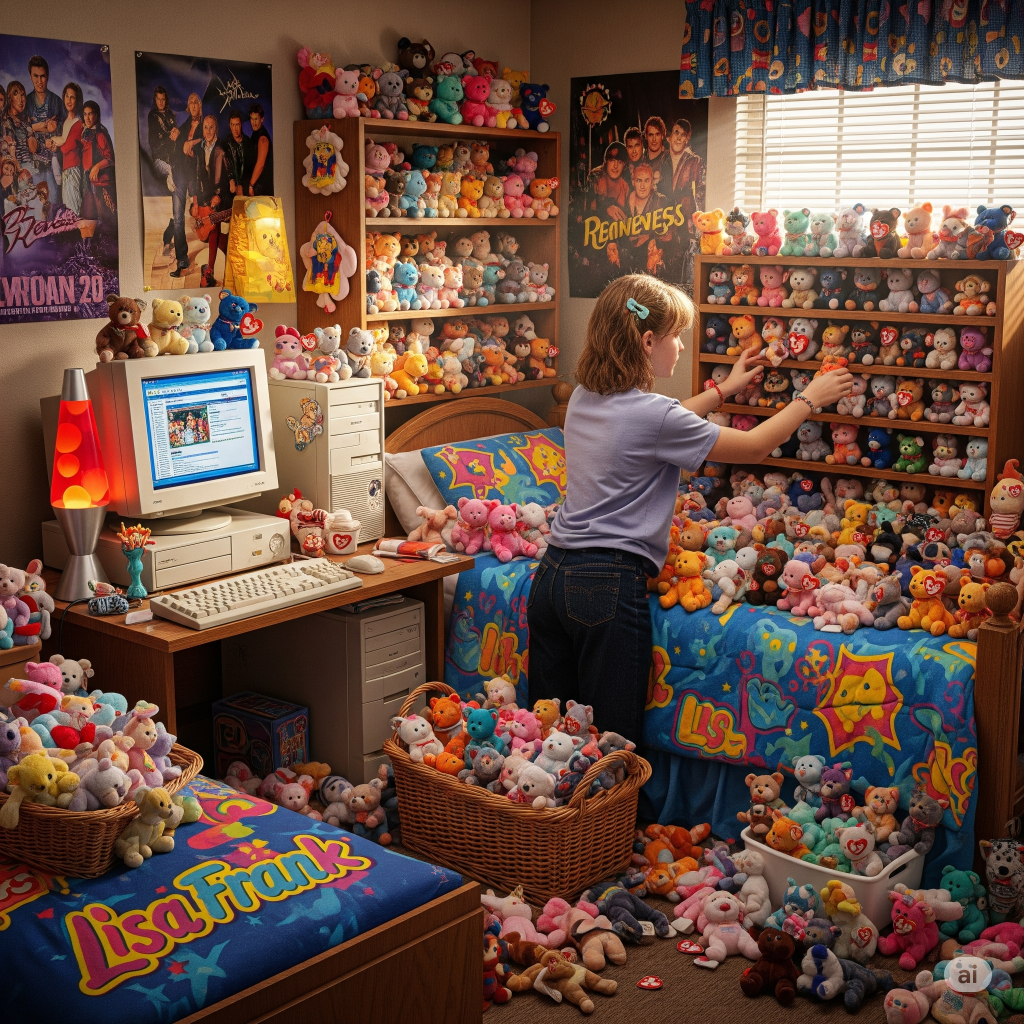
Picture this: it’s 1993, grunge music is all the rage, “Jurassic Park” is blowing minds in theaters, and somewhere in Illinois, a guy named Ty Warner is about to change the way we think about stuffed animals. Enter Beanie Babies.
At first glance, they didn’t look like much—just small, under-stuffed plush toys filled with plastic pellets (or “beans”) instead of fluffy stuffing. But that slight flop was intentional. Ty Warner wanted them to be flexible, easy to pose, and well…adorable in a uniquely squishy way. The first lineup included nine critters with names like “Legs the Frog,” “Spot the Dog,” and “Patti the Platypus.” Cute? Absolutely. World-changing? Not quite yet.
Few consumer fads have swept through popular culture with the force and fervor of the Beanie Babies craze in the 1990s. These small, pellet-filled plush animals became a symbol of both innocent play and speculative mania, transforming children, collectors, and casual buyers into frenzied seekers of the next rare find. The story of Beanie Babies is not just one of a simple toy; it is a tale of psychological manipulation, scarcity-driven marketing, and a perfect storm of cultural and economic trends—all masterfully orchestrated by Ty Inc., under the leadership of its enigmatic founder, Ty Warner.
H. Ty Warner, the founder of Ty Inc. In the early 1990s, he wanted to create a plush toy that was different from the traditional stuffed animals. The key to his innovation was using small plastic pellets, or “beans,” to fill the toys instead of the usual cotton stuffing. This made them floppy and poseable, giving them a unique feel.
Origins and Context of the Beanie Babies Craze
Beanie Babies were introduced in 1993 by Ty Inc., a small plush toy company founded by Ty Warner. The unique design—understuffed with plastic pellets (“beans”)—gave each animal a flexible, posable quality that set them apart from traditional plush toys. But the true magic lay not just in the toys themselves, but in the confluence of cultural and economic factors that made the time ripe for such a craze.
In the early 1990s, America was experiencing a period of relative economic prosperity. The rise of the internet and early online communities brought new ways for people to connect, share information, and—crucially—speculate on collectibles. The collectible market had already seen bubbles with baseball cards and Cabbage Patch Kids, priming both children and adults to see toys as investments rather than mere playthings.
At the same time, the toy industry was undergoing a transformation. Big-box retailers were dominating, but Ty Inc. made the unconventional choice to distribute Beanie Babies primarily through small, independent retailers, cultivating an aura of exclusivity and community.
The Anatomy of the Craze
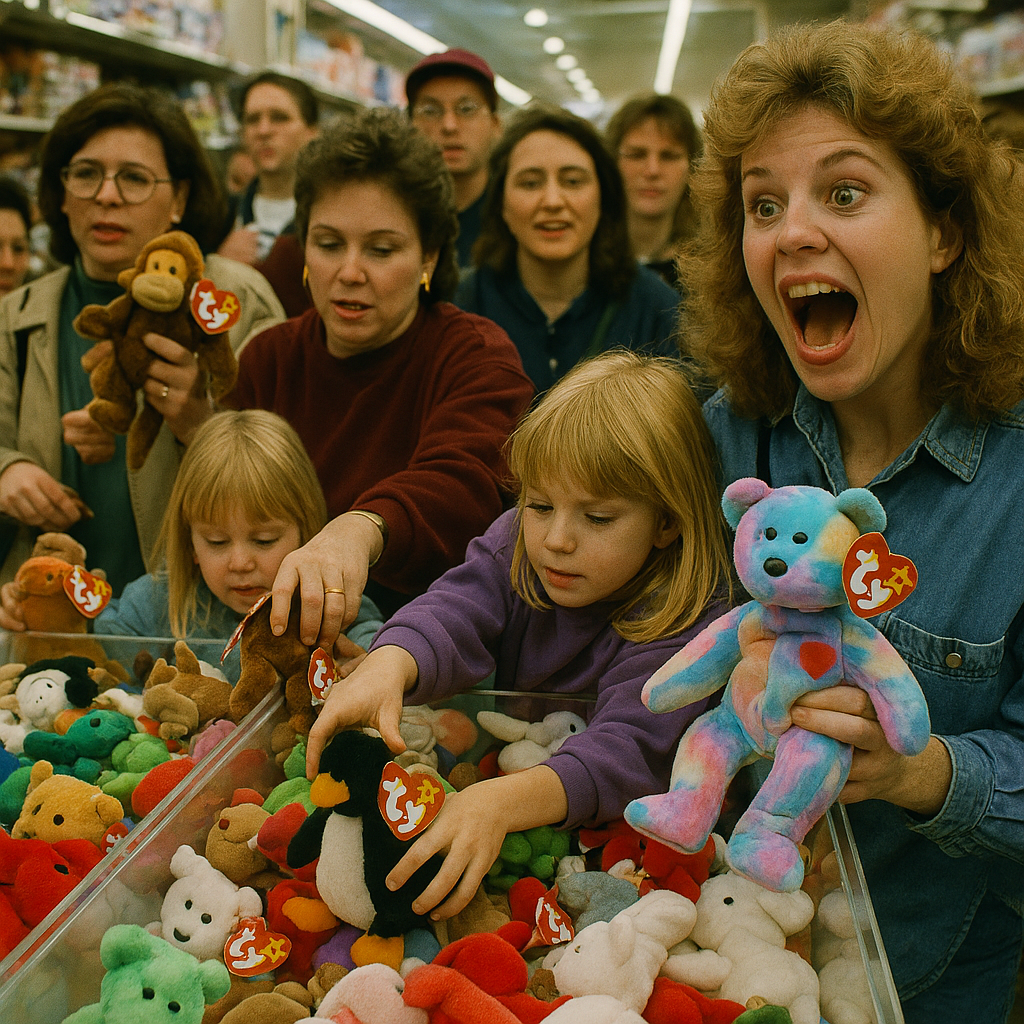
By the mid-1990s, Beanie Babies had become a national obsession. Parents stood in line at dawn, collectors traded tips in burgeoning online forums, and news outlets reported on the incredible resale values being achieved for rare editions. But what, exactly, caused such a frenzy?
Scarcity and Artificial Rarity
Central to the Beanie Babies phenomenon was Ty Inc.’s sophisticated use of scarcity. Rather than flooding the market, Ty Warner implemented a strategy of “planned retirement,” whereby certain Beanie Babies would be discontinued without notice. This created a sense of urgency and fostered the fear of missing out (FOMO).
Scarcity was not the result of production limitations, but a calculated move to increase perceived value. Ty Inc. would often release new animals in limited numbers, retire others unexpectedly, or introduce variants with subtle changes (such as color or tag style), igniting frenzied hunts for the rarest iterations. Collectors rushed to acquire soon-to-be-retired items, believing their investments would appreciate in value.
The Role of Information and Community
The rise of the internet was instrumental in the growth of the Beanie Babies craze. Collectors flocked to early online platforms—such as AOL chat rooms and Beanie Baby-dedicated websites—to share information on new releases, retirement lists, and values. Ty Inc., recognizing the power of word-of-mouth and grass-roots buzz, fed this ecosystem by providing just enough information to fuel speculation, while keeping many details tantalizingly vague.
Price guides, newsletters, and even nascent auction sites provided platforms for collectors to track the value of their hoards, reinforcing the idea that Beanie Babies were not just toys, but assets.
Marketing to Children and Adults Alike
Another key element was Ty Inc.’s dual marketing approach. While Beanie Babies were ostensibly children’s toys—affordable, soft, and playful—they were also pitched, subtly and sometimes overtly, to adults as collectibles and investments. The swing tags attached to each toy included unique names, birthdays, and poetic bios, which gave each Beanie Baby an identity and story, appealing to both sentimental and speculative sensibilities.
Media coverage further fed the flames. Stories of certain Beanie Babies selling for hundreds or even thousands of dollars at auction sites drew in new waves of buyers. The craze even led to instances of theft, counterfeiting, and legal battles over valuable collections.
How Ty Inc. Engineered the Craze for Profit
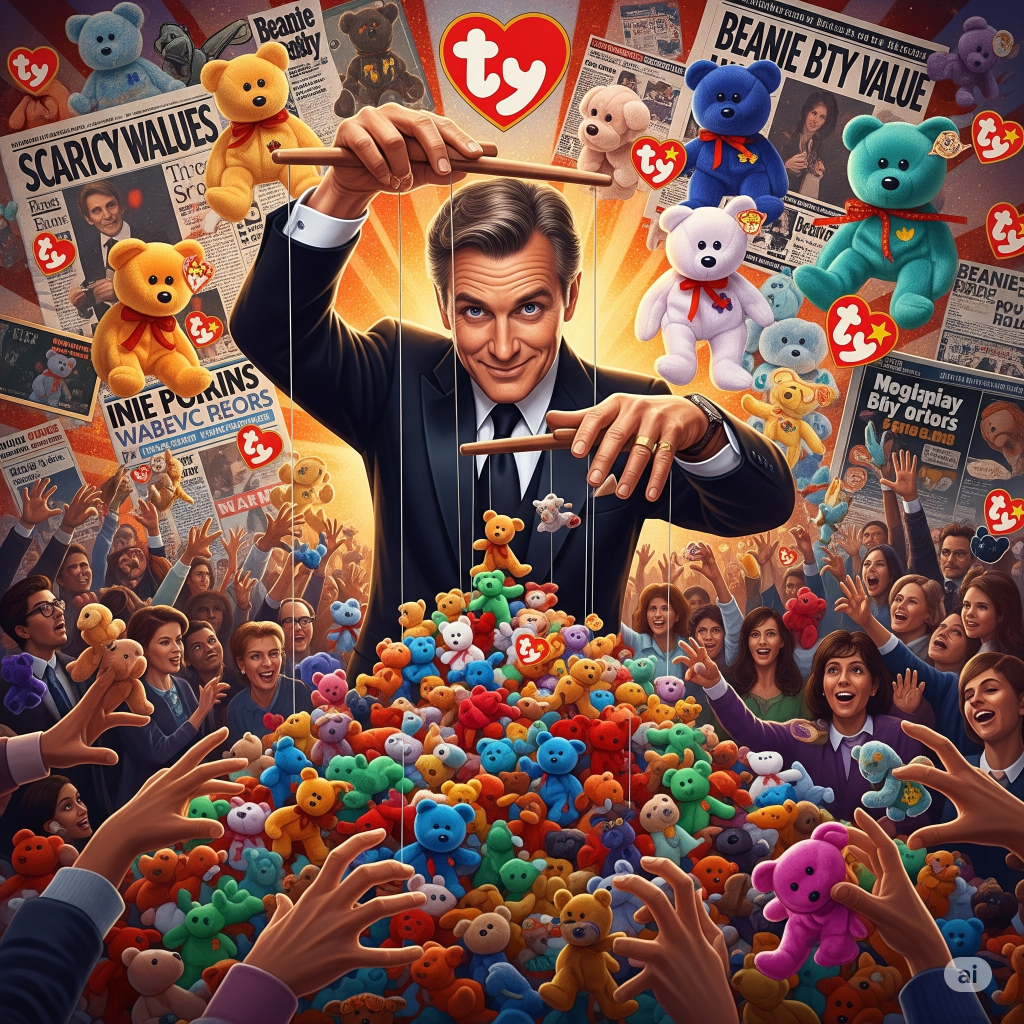
Ty Inc.’s success was no accident. The company, led by Ty Warner’s almost obsessive attention to detail and secrecy, deployed an array of strategies to engineer and sustain the Beanie Babies phenomenon with profit in mind.
Limited Distribution and Secrecy
Ty Inc. eschewed major retail chains in favor of small specialty shops, which fostered a sense of community and exclusivity. The company kept production and retirement numbers secret, fueling rumors and speculation. Even retailers were often in the dark about which items would be shipped or when new releases would arrive.
Evergreen New Releases
By continuously introducing new designs and retiring existing ones, Ty Inc. ensured a constant churn in the marketplace. This strategy compelled collectors to remain engaged and vigilant, always on the lookout for the next potential rarity. The unpredictability kept Beanie Babies in the news and atop wish lists.
Emotional Manipulation and Branding
Each Beanie Baby came with a charming backstory and name, making them more than just objects—they became characters to be collected. Ty Inc. expertly encouraged emotional attachment, which translated into brand loyalty and repeat purchases. The company’s iconic red heart-shaped tag became a symbol of authenticity and collectibility.
Capitalizing on Secondary Markets
Although Ty Inc. did not directly participate in the resale market, the company benefited immensely from the perception that Beanie Babies were appreciating assets. The buzz around high-value sales drove increased primary retail demand, as buyers rushed to acquire the next “big” Beanie Baby. News stories about rare items fetching enormous sums in secondary markets only amplified the craze.
The Peak and Collapse of the Craze
At its height in the late 1990s, Beanie Babies accounted for over a billion dollars in annual sales for Ty Inc. The toys were everywhere—classrooms, workplaces, car dashboards—and it seemed the craze would never end.
But, as with all bubbles, the market eventually collapsed. By the early 2000s, as supply outstripped demand and the novelty waned, prices fell and collectors found themselves with boxes of once-coveted toys now worth little more than their original retail price. Ty Inc. had already reaped enormous profits, and the Beanie Babies mania became a cautionary tale of consumer psychology and manufactured scarcity.
Legacy and Lessons
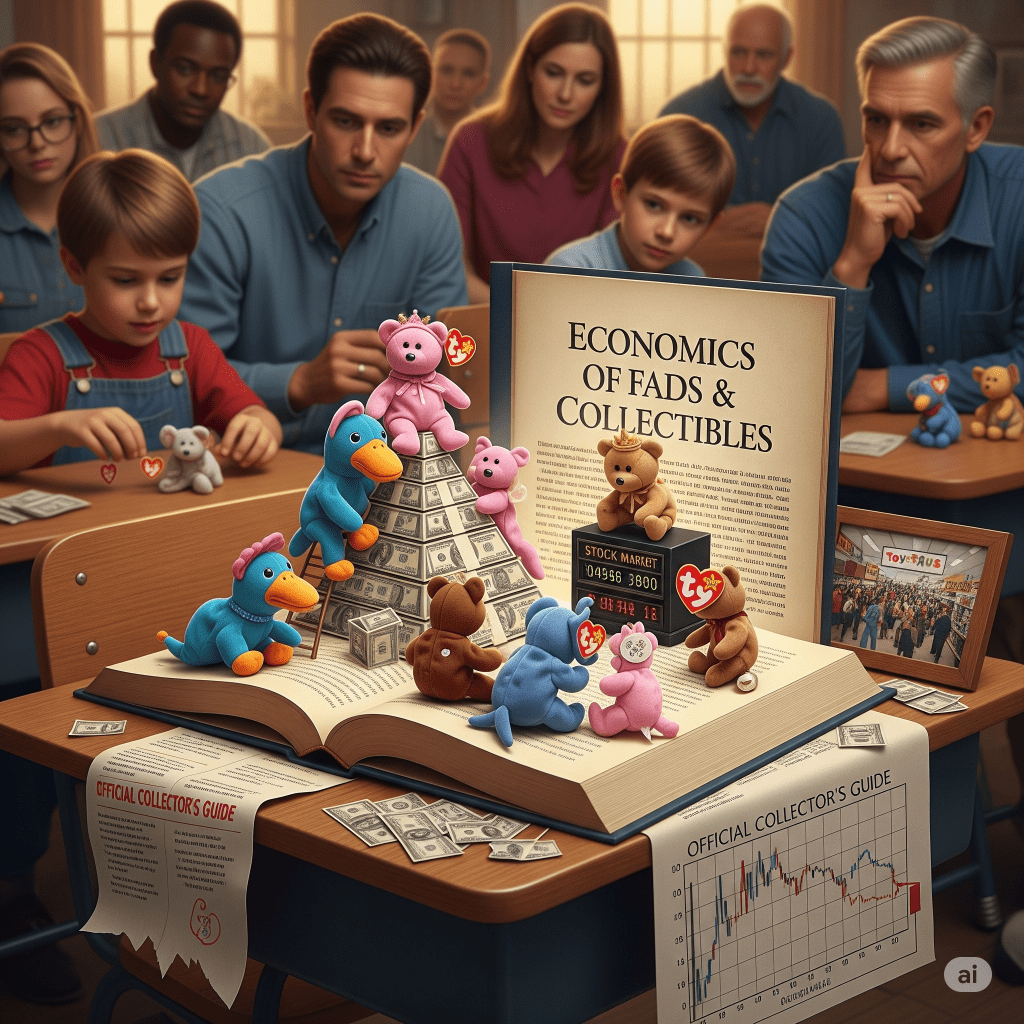
The Beanie Babies craze remains a fascinating case study in marketing, consumer behavior, and the power of scarcity. Ty Inc. did not merely ride a wave—it meticulously engineered the conditions for its own tidal surge of profit. Through calculated scarcity, emotional branding, and harnessing the emerging power of online communities, the company turned small plush toys into cultural icons and speculative goldmines.
Yet, the aftermath also serves as a reminder of the dangers of manufactured value and speculative bubbles. Today, Beanie Babies hold a place in collectors’ memories, and a few rare items still fetch high prices, but most exist as mementos of a uniquely frenzied time.
In sum, the Beanie Babies phenomenon was neither accidental nor inevitable. It was the result of carefully crafted marketing, exploitation of psychological triggers, and perfect timing—a blueprint for profit that, while difficult to repeat, has left an indelible mark on the history of toys and consumer fads.
Open save panel
- Post
 Vedic Astrology
Leave a comment