

The Enduring Strength of a Joint Family Home
In an age where the nuclear family has become the default, my vision of an ideal home remains rooted in something older, deeper, and—despite its imperfections—immeasurably richer: the joint family.
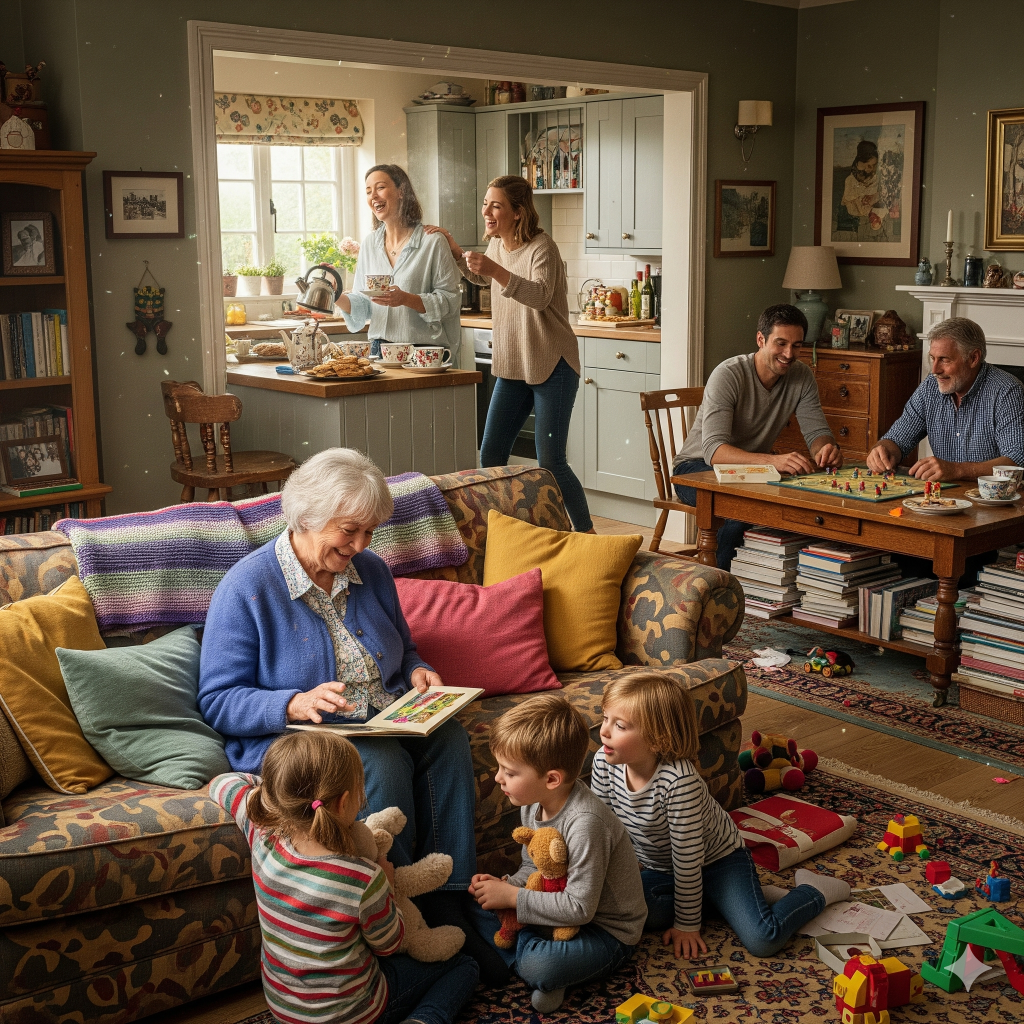
A joint family is not just a collection of relatives under one roof; it is a living ecosystem of relationships, traditions, and shared responsibilities. Yes, it comes with its share of challenges—conflicting opinions, generational gaps, and the occasional clash of personalities—but these very frictions are what make it a crucible for growth, empathy, and resilience.
🌿 The Benefits of a Joint Family
1. A Built-In Support System
In a joint family, no one truly stands alone. Whether it’s childcare, elder care, or emotional support during life’s storms, there’s always someone to lean on. This shared responsibility lightens individual burdens and creates a safety net that no amount of hired help can replicate.
2. Intergenerational Wisdom
Living with grandparents and elders means that cultural values, life lessons, and family stories are passed down naturally. Children grow up with a sense of identity and belonging that extends beyond their immediate parents.
3. Economic Efficiency
Pooling resources—whether it’s groceries, utilities, or property—reduces costs for everyone. In a world of rising expenses, this collective approach can be both practical and sustainable.
4. Emotional Resilience
In a joint family, joy multiplies and grief divides. Celebrations feel grander, and losses are softened by the presence of many hearts beating in unison.
5. Social Skills & Adaptability
Children in joint families learn early how to navigate different personalities, compromise, and share space. These are life skills that serve them well in the outside world.
⚖️ The Challenges—And Why They’re Worth It

It would be dishonest to romanticize joint family life without acknowledging its difficulties:
- Privacy is limited—your life is more transparent.
- Decision-making can be slow—more voices mean more debate.
- Generational differences—values and lifestyles may clash.
Yet, these very challenges can be reframed as opportunities:
- Limited privacy teaches tolerance and patience.
- Slow decisions ensure multiple perspectives are considered.
- Generational differences spark dialogue and broaden understanding.
In a nuclear family, comfort often comes at the cost of exposure to diverse viewpoints. In a joint family, you are constantly learning to live with difference—and that is a profound education in itself.
🌟 Why I Prefer It Over a Nuclear Family
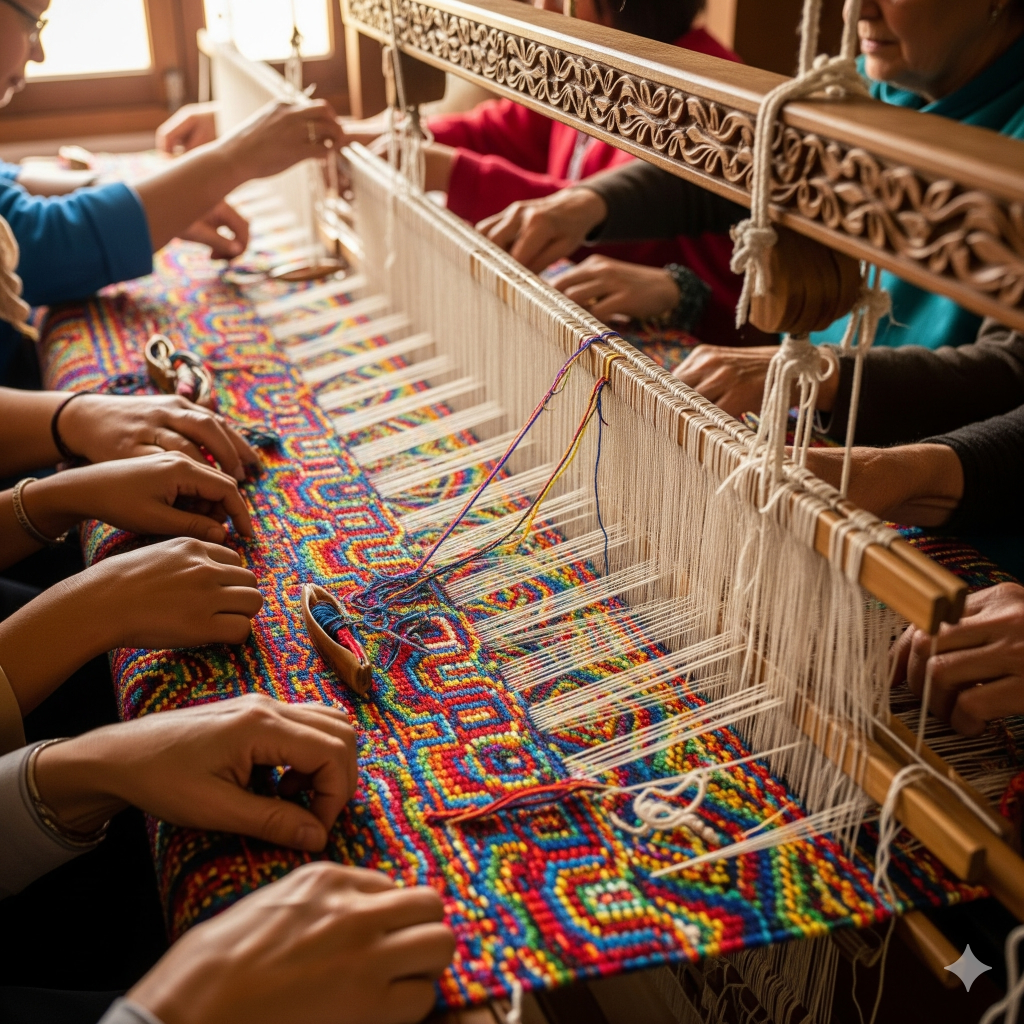
A nuclear family offers independence, but it can also breed isolation. In contrast, a joint family is a living network—messy, vibrant, and deeply human. It teaches you that life is not about perfect harmony, but about finding rhythm in the midst of many voices.
For me, the ideal home is not the quietest one, but the one where the walls echo with laughter, debate, and the clinking of many cups of chai. It’s where children grow up surrounded by stories, where elders feel valued, and where no one has to face life’s highs and lows alone.
In the end, a joint family is not just a way of living—it’s a way of belonging. And in a world that often feels fragmented, that sense of belonging is worth every compromise.
 Vedic Astrology
Leave a comment