
Sun, Sand, and GDP: A Tropical Paradox?
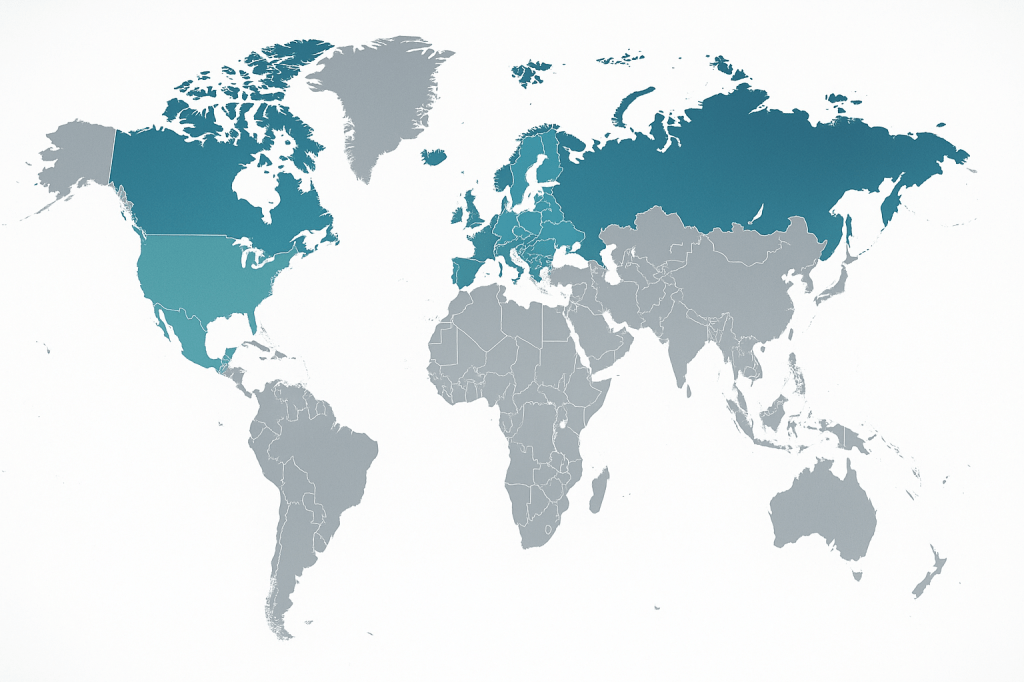
Ever wondered why most of the world’s wealthiest nations are tucked away in cooler climates? Think about it—the United States, Germany, Japan, and the United Kingdom. Then, consider the tropical world—rich in biodiversity, vibrant cultures, and stunning landscapes, but with very few economic powerhouses. Is this a coincidence, or is there a deeper connection between climate and a country’s wealth? Let’s dive into this intriguing paradox and explore why economic development might be more complex than we think.
The Unspoken Rule of the Tropics
For centuries, a pattern has emerged in global economics: the temperate zones seem to have a significant head start. Historically, this was often explained by factors like disease and agricultural challenges. The tropical climate, while beautiful, can be a breeding ground for diseases like malaria, which have historically hindered public health and labor productivity. Furthermore, while tropical agriculture is often bountiful, it can be less suited for storing and transporting surplus food, which was crucial for the rise of early urban centers and trade. This has led many to believe that climate is a foundational, perhaps even deterministic, factor in a country’s economic destiny. But what about the exceptions?
The Outliers: Singapore and Hong Kong
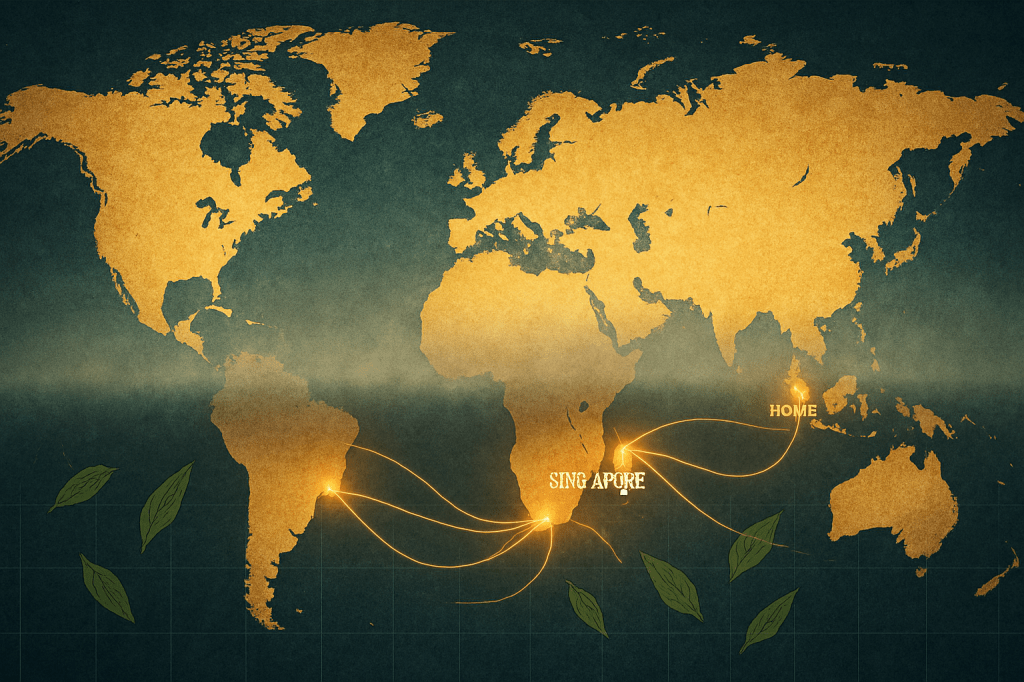
This is where the story gets really interesting. Against all odds, two small, tropical territories—Singapore and Hong Kong—have defied this unspoken rule. They are bustling hubs of finance, technology, and trade, consistently ranking among the world’s most developed economies. How did they pull it off? Their success stories are not rooted in climate, but in a combination of strategic location, political stability, and a relentless focus on economic openness. They transformed from small fishing ports into global titans by becoming masters of trade, logistics, and innovation. They didn’t fight their tropical location; they leveraged it, positioning themselves as critical gateways between East and West.
More Than Meets the Eye

The existence of these two outliers suggests that the link between climate and wealth is not a simple cause-and-effect relationship. It’s a multi-layered tapestry woven with threads of history, geography, governance, and sheer human ingenuity. A nation’s economic success is less about its physical environment and more about the choices its people and leaders make. It’s about building institutions that foster innovation, creating policies that encourage trade, and adapting to challenges rather than succumbing to them. This makes the journey of economic development far more complex, and in a way, far more inspiring. It reminds us that potential is not pre-determined by location, but unlocked by vision and effort.
A Tropical Twist on Destiny
The story of Singapore and Hong Kong isn’t just a quirky economic footnote; it’s a powerful reminder that our world is full of fascinating paradoxes. They show us that while climate and geography can present challenges, they are not unbreakable chains. Economic development is a dynamic, unpredictable process driven by human decisions and resilience. So, what other widely held assumptions about our world might be waiting for their own tropical paradox?
 Vedic Astrology
Leave a comment